
 When you’re a licensed nursing professional, you rely on patient medical records every day to do your job. Looking up a patient’s history, recording new information and coordinating care all depend on access to those records.
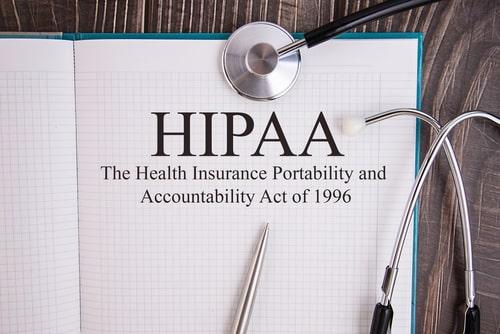
As you undoubtedly know, medical records are highly confidential. The federal Health Insurance Portability and Accountability Act (HIPAA) exists to protect that confidentiality. And violating it can carry serious consequences.
Depending on the circumstances, a violation can put your nursing license in jeopardy.
[Related: Unauthorized Access of Patient Records Violates HIPAA]
How Privacy Violations Happen in Nursing
Most medical facilities now use electronic medical records, making it far easier for a facility’s IT department to catch unauthorized access. But viewing a patient’s record without a legitimate reason can trigger disciplinary action.
Discipline ranges from an employer warning to federal criminal charges, depending on intent and severity.
Accidental Access and a Warning
Privacy violations can happen by accident, especially in large facilities. A nurse finishing a visit might open the wrong chart. For example, you’re tired and pull up a different patient who shares the same name.
When an employer catches this kind of unauthorized access, the usual response is a warning and a refresher on proper procedure. Termination isn’t usually a consequence.
Intentional Snooping and Termination
Other violations are intentional. A nurse might look up a significant other’s or an ex’s records out of curiosity. They might check a chart as a favor to a friend or family member.
Whatever the reason, this is a clear HIPAA violation, and it generally ends in instant termination.
The employer also must report the violation to the Illinois Department of Financial and Professional Regulation (IDFPR). It may pursue disciplinary action against the nurse’s license through the Illinois Board of Nursing.
Even when a nurse keeps their license, a HIPAA violation on record makes finding another nursing position extremely difficult.
Criminal Charges for Malicious Access
Sometimes a nurse accesses records with malicious intent: to sell information, harass someone or cause harm. In that case, criminal charges can follow on top of termination and license loss.
Federal law sets three tiers of criminal penalty depending on intent:
- Up to 1 year in prison and a $50,000 fine for a knowing violation
- Up to 5 years and a $100,000 fine if committed under false pretenses
- Up to 10 years and a $250,000 fine if committed for commercial gain or malicious harm
Several cases have involved nurses accessing records to post on social media, resulting in termination, board investigation and criminal charges.
[Related: 3 Reasons Nurses Could Face License Suspension]
How an IDFPR Investigation Unfolds for Nurses
A HIPAA complaint against a nurse typically reaches the IDFPR through an employer report, a patient complaint or another licensee.
The disciplinary process begins when the Division of Professional Regulation becomes aware of a complaint from sources like these:
- Members of the public
- Other healthcare licensees
- Law enforcement agencies
- Other government agencies
After initial review, the complaint goes to a lead investigator. They determine whether the department has legal jurisdiction and adequate evidence to proceed. They close the file if the evidence doesn’t support a violation.
If the investigation turns up sufficient evidence, the case moves to a prosecuting attorney. The attorney files formal charges once satisfied the matter has been adequately investigated.
At that point, the nurse and the department may negotiate a resolution. Otherwise, the case proceeds to a formal hearing before the relevant professional board and the department’s administrative law judge.
Then, the board delivers findings and a recommendation to the Director of Professional Regulation for a final decision.
Disciplinary outcomes vary by violation. Their severity ranges, and these are possible disciplinary actions under Illinois law:
- Refusal to issue or renew a license
- Revocation
- Suspension
- Probation
- Reprimand
- Fines up to $10,000 per violation
Following that final decision, the nurse has 35 days to appeal in circuit court under the Illinois Administrative Review Act.
And if you’re under investigation, you need an attorney on your side.
[Related: The Top 10 Things Nurses Can Expect During an IDFPR Disciplinary Hearing]
Contact Williams & Nickl To Defend Your Illinois Nursing License
A HIPAA allegation, whether it stems from a genuine mistake or a serious accusation, puts your nursing career on the line. With stakes that high, you deserve an immediate and informed response.
At Williams & Nickl, we defend Illinois nurses facing IDFPR investigations and Board of Nursing complaints. We’re thoroughly versed in how these departments think, work and consider the evidence.
Call us at 312-335-9470 or contact us online to schedule a free, confidential 1-hour consultation.
Browse our client testimonials and case results to see how we’ve helped other Illinois nurses protect their licenses.